Signal Iduna Park — The Loudest Stadium in Europe
Home of Borussia Dortmund, the Westfalenstadion is globally famous for the Yellow Wall, the largest free-standing terrace in Europe.
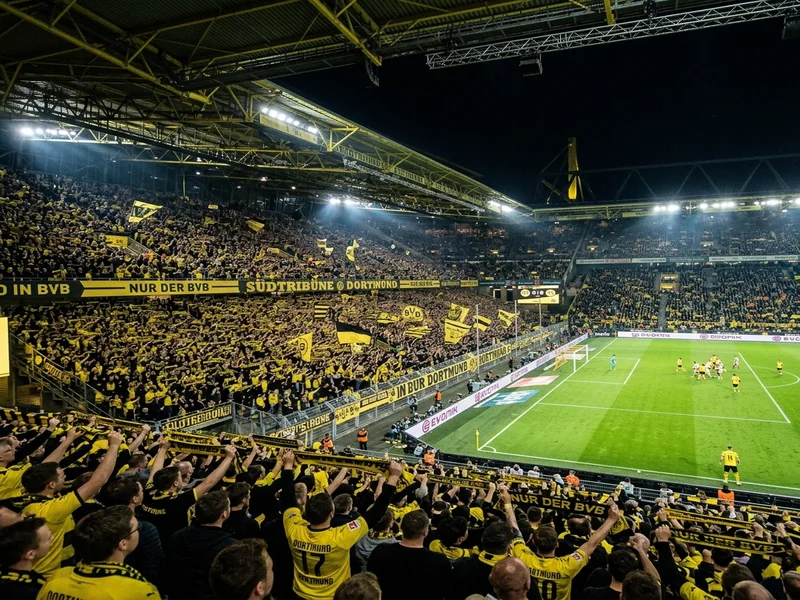
The Legendary Westfalenstadion
Opened in 1974 to host matches for the 1974 FIFA World Cup, the stadium was originally named Westfalenstadion (Westphalia Stadium) after the historic region. It was built with a simple, rectangular design, replacing Dortmund's old Rote Erde stadium located adjacent to the new site.
In 2005, the club signed a sponsorship deal renaming the venue Signal Iduna Park, though local fans still refer to it by its traditional name. The stadium underwent major expansions in the late 1990s and early 2000s, adding corner stands and expanding capacity to become Germany's largest football arena.
The Gelbe Wand: The Yellow Wall
The defining feature of Dortmund's home is the Südtribüne (South Stand), globally famous as the "Yellow Wall" (Gelbe Wand). With a capacity of 24,454, it is the largest free-standing terrace in European football, where fans stand for the entire 90 minutes of Bundesliga matches.
The stand is famous for its steep 37-degree gradient and intense acoustics, creating a wall of sound and color that disorients visiting players. During international fixtures or Champions League matches, UEFA regulations require the standing terrace to be converted to seating, reducing capacity.
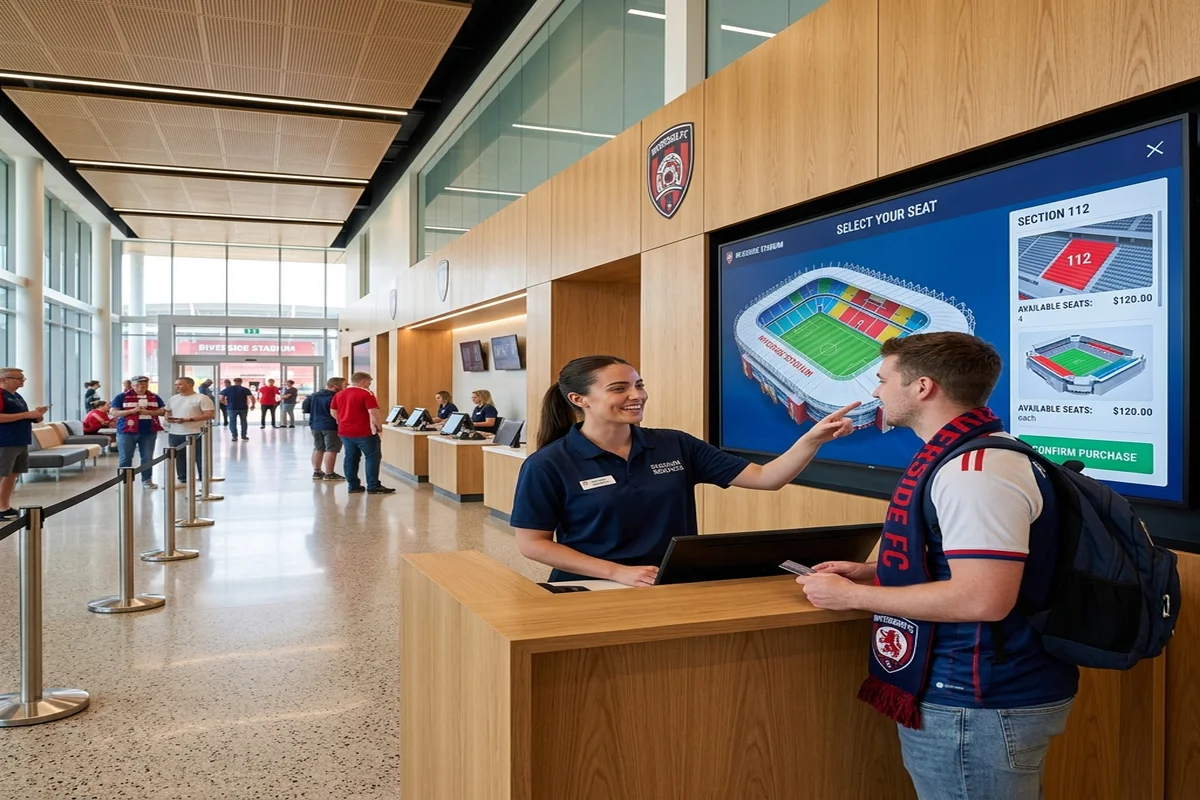
A Temple of German Fan Culture
Borussia Dortmund is famous for having one of the highest average attendances in world football, routinely averaging over 80,000 fans per match. This is supported by cheap ticket prices and the preservation of standing terraces, in accordance with German football's "50+1" ownership rule.
The matchday experience at Signal Iduna Park starts long before kickoff, with fans gathering in beer gardens around the stadium and singing the club's anthem, "Hebräer" and "You'll Never Walk Alone," creating a friendly yet intensely passionate community environment.
Stadium Seating & Zones
Key architectural attributes and seating sectors for matchday visitors.
The Südtribüne Terrace
A massive standing terrace holding 24,454 fans, acting as the heart of Borussia Dortmund's support and the famous "Yellow Wall" mosaic.
Bright Yellow Pylons
Eight massive, 62-meter-tall yellow steel pylons support the roof structure, serving as a landmark visible across Dortmund's skyline.
Borusseum Club Museum
The official museum of Borussia Dortmund, showcasing the club's history, the 1997 Champions League trophy, and interactive exhibits.
Visitor Policy & Rules
Read through these crucial guidelines to ensure a seamless gate entry at Signal Iduna Park.
Standing vs. Seated
Verify your ticket class. Standing terrace tickets (Südtribüne) do not have seats. Wear comfortable footwear and prepare to stand.
Cashless System
Food and drink stalls accept contactless credit/debit cards or mobile payments. Cash is only accepted at selected outer kiosks.
U-Bahn Train Station
Take U-Bahn Line U45 or U46 to the "Stadion" station, or Line U42 to "Theodor-Fliedner-Heim" for a short walk to the stadium.
No Large Backpacks
Bags larger than A4 size are prohibited. There are small luggage storage points (Abgabestellen) outside the stadium gates.
Get Tickets for Signal Iduna Park
Planning to attend a football match or live event here? STRATENSO LTD helps fans locate and purchase official tickets. Submit a request and representative Gray Ramiro will assist you.
Request Booking AssistanceFrequently Asked Questions
The "Yellow Wall" (Gelbe Wand) is the nickname for the massive standing South Stand (Südtribüne) at Dortmund's stadium. It holds over 24,000 standing fans, making it the largest terrace in Europe.
Dortmund tickets are highly sought after, with season ticket renewal rates near 99%. STRATENSO LTD helps international fans search for and secure tickets safely. Contact Gray Ramiro for assistance.
Yes, beer (including local Brinkhoff's) is sold at concessions throughout the stadium. For high-risk matches, light beer or non-alcoholic options may be enforced.
UEFA regulations require all-seater stadiums for international fixtures and Champions League games. Temporary seats are installed in the standing terraces, reducing capacity.
Yes, the stadium offers guided tours that take visitors through the locker rooms, player tunnel, and the edge of the pitch, combined with a visit to the Borusseum museum.
Explore More Venues
Discover other legendary sports stadiums across the UK and Continental Europe.
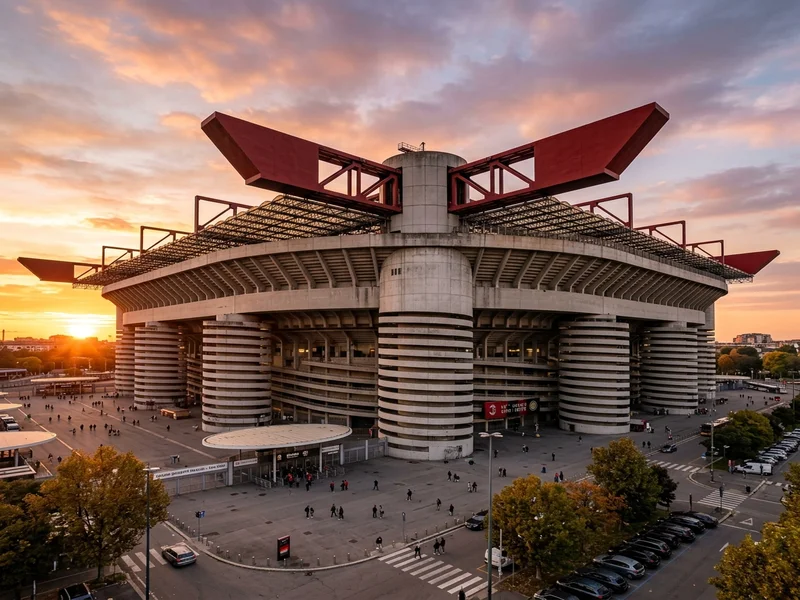
San Siro
The iconic shared home of rivals AC Milan and Inter Milan, featuring brutalist towers.
View Guide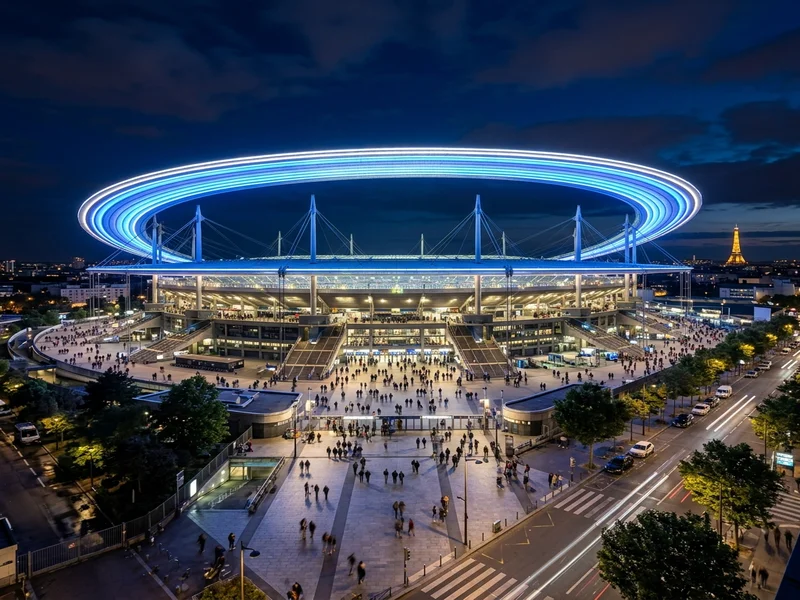
Stade de France
The national stadium of France, hosting World Cup finals and major rugby matches.
View Guide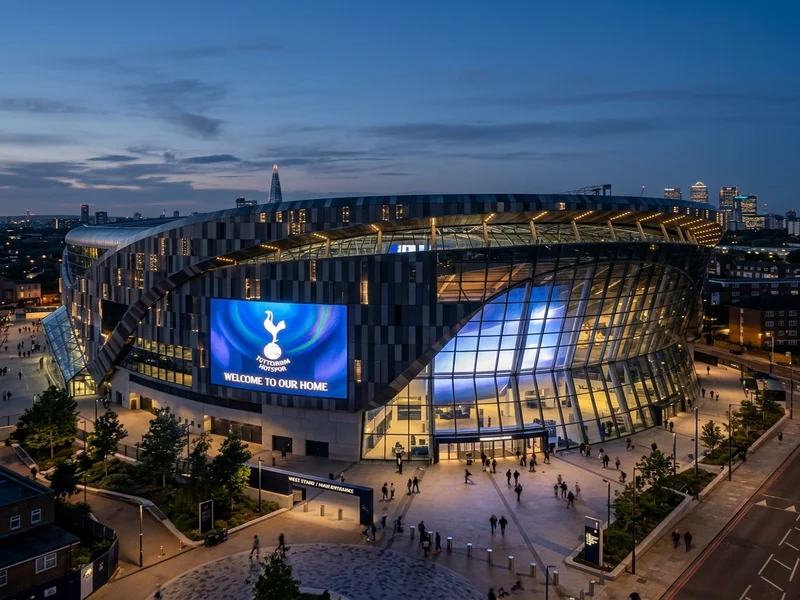
Tottenham Hotspur Stadium
London’s premier multi-sport stadium, featuring a retractable grass turf.
View Guide