Croke Park — The Spiritual Home of Irish Sport
The headquarters of the Gaelic Athletic Association, Croke Park is one of the largest stadiums in Europe, dedicated to Irish traditional sports.
The Heart of Gaelic Games
Opened in 1884 and purchased by the Gaelic Athletic Association (GAA) in 1913, Croke Park is the spiritual home of traditional Irish sports, including Gaelic football and hurling. The stadium's history is closely tied to the history of the Irish nation.
In 1920, the stadium was the site of the first "Bloody Sunday," when British auxiliary forces entered the pitch during a match and opened fire on spectators and players. Today, the stadium stands as a monument to national culture, hosting the annual GAA All-Ireland Finals.
The Massive Three-Tier Horseshoe
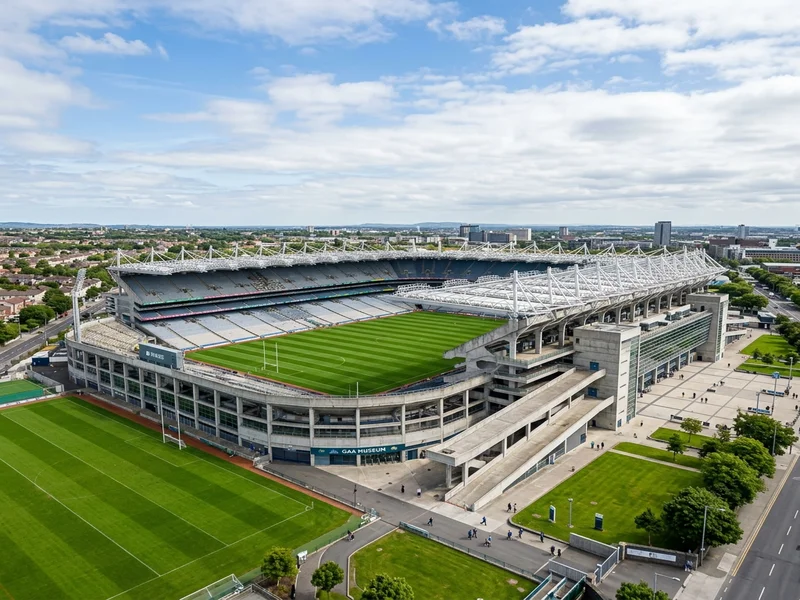
In 1993, the GAA initiated a massive four-phase redevelopment that transformed Croke Park into a world-class venue. The stadium features a three-tier horseshoe design, with the Cusack Stand, Hogan Stand, and Davin Stand forming a continuous, sweeping concrete bowl.
The fourth side, the famous Hill 16 terrace, is left open as a standing terrace, housing Dublin's most passionate supporters. The open design allows panoramic views of Dublin's skyline. The stadium's double-deck roof structure covers all seated stands, leaving the pitch open.
The Cradle of National Pride
Unlike modern commercial arenas, Croke Park is operated as a non-profit community asset by the GAA. Hurling and Gaelic football players are strictly amateurs, playing for the pride of their home counties rather than financial compensation, creating a unique connection with fans.
The stadium museum showcases the evolution of Gaelic sports, including ancient hurling sticks and historic match reels. Visitors can also experience the "Ericsson Skyline" tour, a pedestrian walkway suspended above the stadium roof offering panoramic views of Dublin and the Wicklow Mountains.
Stadium Seating & Zones
Key architectural attributes and seating sectors for matchday visitors.
Hill 16 Terrace
The famous open standing terrace behind the northern goal, historically constructed from the rubble of the 1916 Easter Rising.
GAA Museum
Located under the Cusack Stand, the museum explores the ancient origins of Irish sports and the founding of the GAA in 1884.
Ericsson Skyline Walk
A guided rooftop walkway 44 meters above the pitch, offering 360-degree views of Dublin's skyline and historical landmarks.
Visitor Policy & Rules
Read through these crucial guidelines to ensure a seamless gate entry at Croke Park.
Standing Terraces
If your ticket is for Hill 16, note that it is a standing terrace with no seats. Arrive early to secure a good viewing position.
City Center Access
Croke Park is located in Drumcondra, a 15-minute walk north of Dublin's city center, making public transport the best option.
Drumcondra Rail
The Drumcondra suburban train station is a 5-minute walk from the stadium, connecting directly to Dublin Connolly station.
Bag Restrictions
Bags larger than A4 size are prohibited. There are no luggage storage lockers available at the stadium gates.
Get Tickets for Croke Park
Planning to attend a football match or live event here? STRATENSO LTD helps fans locate and purchase official tickets. Submit a request and representative Gray Ramiro will assist you.
Request Booking AssistanceFrequently Asked Questions
Croke Park primarily hosts Gaelic football, Hurling, and Camogie. On special occasions, it has hosted rugby and association football during renovations of Aviva Stadium.
All-Ireland Final tickets are distributed through local GAA clubs and county boards. STRATENSO LTD helps fans locate hospitality packages and corporate tickets. Contact Gray Ramiro for assistance.
Hill 16 is the famous open terrace at the northern end of the stadium. It was originally built using soil and rubble from the ruins of O'Connell Street after the 1916 Easter Rising.
Yes. Croke Park is the largest stadium in Ireland and the third-largest stadium in Europe, trailing only Camp Nou and Wembley.
No. The Skyline rooftop tour is closed during matches for safety reasons. It operates daily on non-match days.
Explore More Venues
Discover other legendary sports stadiums across the UK and Continental Europe.
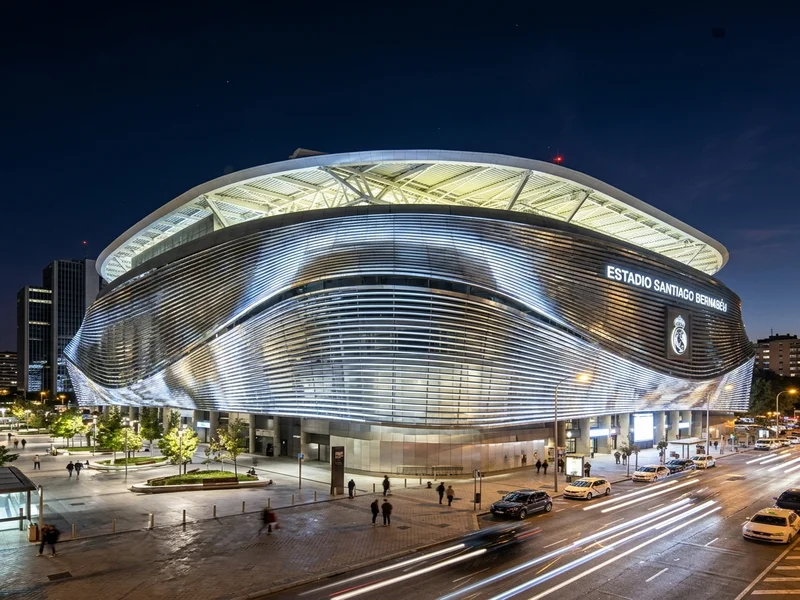
Santiago Bernabéu
Real Madrid’s modernized cathedral, featuring a retractable roof and 360-degree screen.
View Guide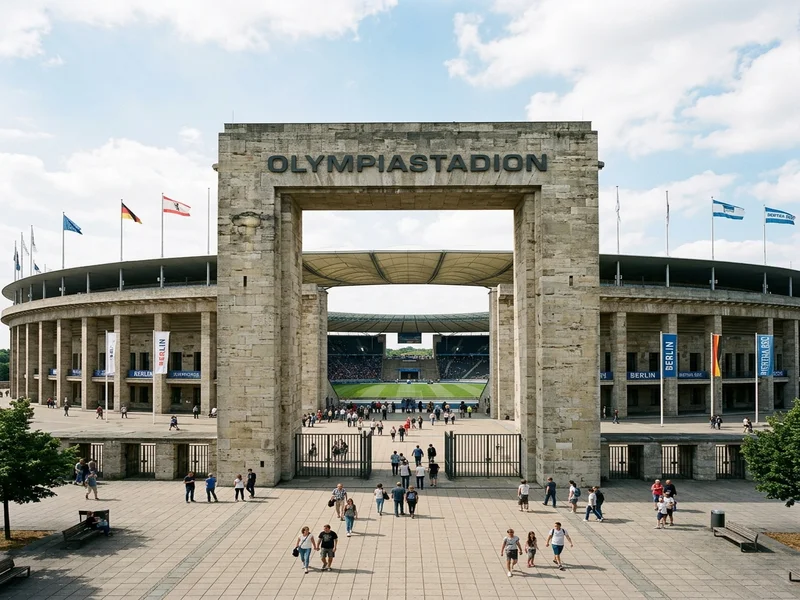
Olympiastadion Berlin
The historic stone stadium hosting German Cup finals and Olympic history.
View Guide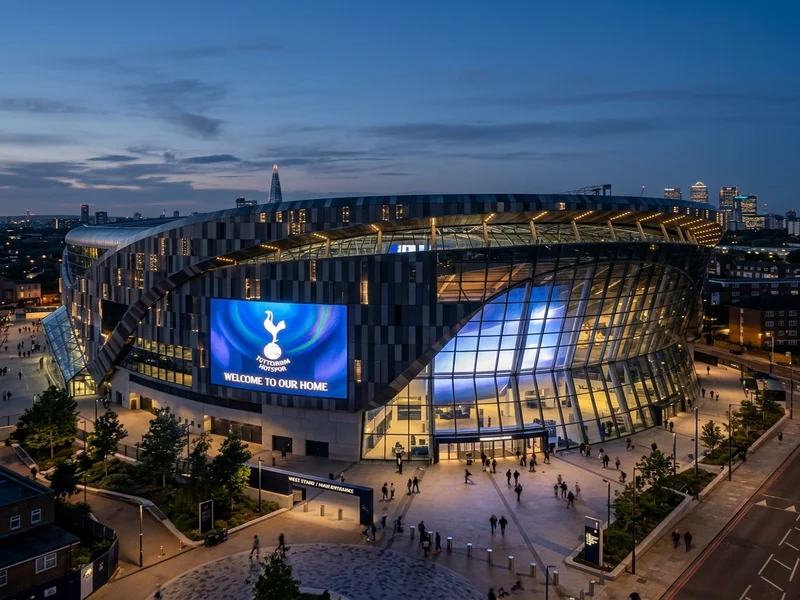
Tottenham Hotspur Stadium
London’s premier multi-sport stadium, featuring a retractable grass turf.
View Guide